Stall Designs provides custom booth design, fabrication, graphics, installation, and dismantling support for exhibitors at RSNA 2026 at McCormick Place.
Crafting Experiences. Building Brands.
Pan India Presence • Global Expertise
IEIA
Member of
Indian Exhibition Industry Association
Indian Exhibition Industry Association
Your Global Exhibition Stand Partner — India → UAE → Europe → USA → Asia

Chat on WhatsApp
RSNA 2026 Chicago
Plan your presence with an experienced RSNA trade show booth builder for custom design, fabrication, installation, and on-site support in Chicago
Nov 29 – Dec 3, 2026
McCormick Place, Chicago, USA
Days
Hours
Min
Sec

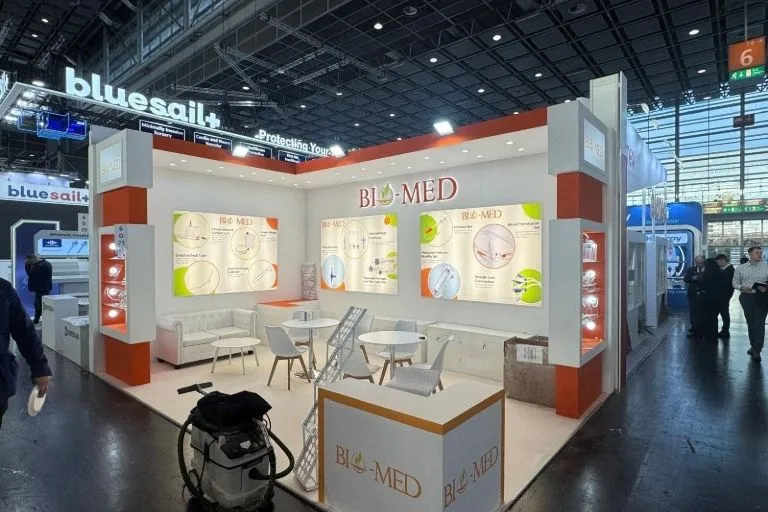
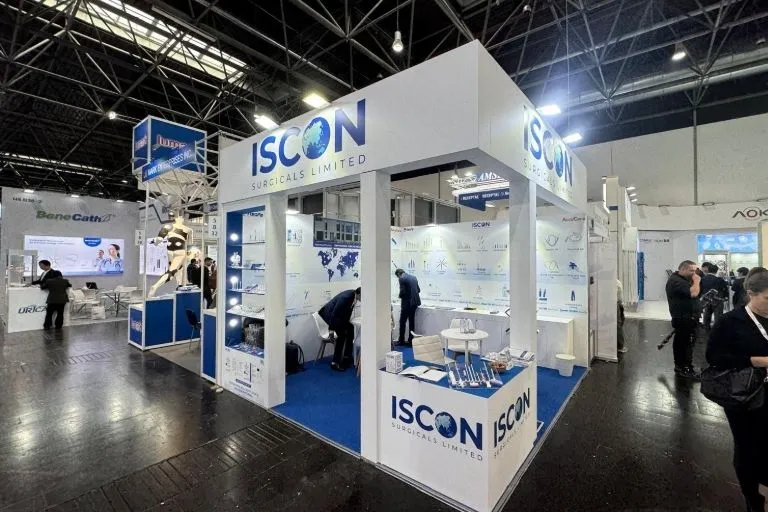

RSNA 2026 Trade Show Booth Design & Build in Chicago
Exhibiting at RSNA 2026 requires a booth that can do more than carry your branding. Medical imaging equipment, clinical software, AI demonstrations, high-resolution displays and technical conversations all place different demands on the floor plan.
[BRAND NAME] provides custom trade show booth design, fabrication, graphics, AV integration, logistics, installation and dismantling support for exhibitors preparing for RSNA 2026 at McCormick Place in Chicago. We plan the booth around your products, demonstration requirements, visitor flow, meeting needs and available exhibit space so the final environment works for the way your team will actually use it during the show.
RSNA 2026 — Dates, Technical Exhibits & McCormick Place Details
Exhibition: RSNA 2026 — 112th Scientific Assembly & Annual Meeting
Meeting Dates: November 29–December 3, 2026
Technical Exhibits: November 29–December 2, 2026
Technical Exhibit Hours: 10 a.m.–5 p.m. CT
Venue: McCormick Place
Location: Chicago, Illinois, USA
Organizer: Radiological Society of North America
Focus: Radiology, medical imaging, healthcare technology and clinical AI
RSNA confirms that its Technical Exhibits are located in South Hall A and North Hall B, Level 3 at McCormick Place.
Design an RSNA Booth Around Imaging Demos, AI Workflows and Clinical Conversations
RSNA brings together more than 700 manufacturers, suppliers and developers across medical imaging and related technologies. Its exhibit environment includes product demonstrations, the AI Showcase, industry presentations and dedicated areas for emerging companies.
That changes how an effective booth should be planned.
A medical-imaging manufacturer may need space around physical equipment and controlled viewing angles. A radiology-software or AI company may need several demonstration stations, reliable connectivity and screens positioned for one-to-one explanations. Other exhibitors may require private discussions, presentation areas, lead capture, storage and hospitality without allowing those functions to interrupt visitor circulation.
Our 3D booth design and visualization process maps these requirements before production so your team can review equipment placement, demo positions, screens, meeting areas, storage and branding together.
Trade Show Booth Design, Fabrication & Installation for RSNA 2026
Stall Designs can coordinate the booth from the initial floor plan through final dismantling.
Services can include:
- Design & planning: booth concept, space planning, custom 3D design, and product-display planning
- Fabrication & branding: exhibit construction, graphics, signage, and branded finishes
- Technical integration: lighting, electrical coordination, LED screens, AV, and interactive demo stations
- Visitor areas: reception, lead-capture points, meeting spaces, furniture, hospitality, and integrated storage
- Logistics & installation: freight coordination, on-site installation, finishing, and project execution
- Post-show support: dismantling after the Technical Exhibits
Once the concept and specifications are approved, our trade show booth fabrication process translates the design into the structural, graphic, lighting and functional components required for installation.
Discuss Your RSNA Booth Requirements → +1 (786) 495-0093
RSNA Booth Rules That Can Affect Your Design at McCormick Place
RSNA booth regulations should influence the design from the beginning rather than being checked after the concept is complete.
For an inline exhibit, RSNA's current guidelines state that the minimum space is 10' × 10'. The rear portion can generally be occupied up to 8 ft high, while the front portion has tighter height restrictions designed to protect adjacent sightlines. Live video and demonstration stations must remain within the rear portion of an inline space, hanging signs are not permitted over inline booths, and floor covering is mandatory.
Island exhibits have different possibilities. RSNA allows approved hanging signage for qualifying island exhibits, with requirements covering positioning, height, drawings and approval.
These restrictions affect screen placement, branding height, demonstration positions and how much of the booth should remain visually open.
Applicable booth-design submissions were due August 31, 2026. Exhibitors planning or modifying a late-stage project should therefore verify the status of their approvals with RSNA Exhibition Services before finalizing construction.
From Floor Plan to Show-Ready Booth at McCormick Place
A practical RSNA booth project can move through six stages:
1. Floor Plan & Requirements
We review booth dimensions, open sides, products, equipment, demonstrations, screens, meetings, storage and branding requirements.
2. Layout & 3D Concept
The floor plan is translated into a visitor-focused layout and visual concept.
3. Technical Finalization
Approved finishes, graphics, electrical requirements, AV, furniture and structural details are prepared for production.
4. Fabrication & Pre-Show Coordination
Booth components are produced while freight, venue services, documentation and installation requirements are coordinated.
5. McCormick Place Installation
The booth is installed, finished and prepared for exhibitor handover.
RSNA assigns target move-in times based on factors including booth size, complexity and freight movement, so logistics need to align with the exhibitor's assigned schedule.
6. Dismantling
After the Technical Exhibits close, the exhibit is dismantled according to the applicable move-out schedule.
Plan Your RSNA Booth Around Equipment, Screens and Buyer Flow
RSNA states that 79% of attendees have a role in purchasing and 80% attend to see new products and developments. That makes product understanding—not simply visual attention—an important booth-planning objective.
For imaging-equipment exhibitors, provide sufficient clearance around physical systems and prevent high-traffic conversations from blocking technical demonstrations.
For radiology AI and software companies, think beyond installing a large LED wall. Multiple smaller demo stations may allow sales and clinical teams to conduct simultaneous workflow demonstrations without forcing visitors to wait around one presentation point.
High-resolution medical imagery also makes monitor positioning, lighting and viewing distance important. Bright decorative lighting should not compromise diagnostic-image presentations or create unnecessary glare.
Meeting areas should be positioned according to the expected conversation. Quick product discussions may work at open tables, while negotiations, partnerships and technical discussions may require greater acoustic or visual privacy.
Storage should be calculated early for literature, staff belongings, demonstration equipment and consumables. Adding it after the floor plan is approved often compromises usable booth space.
International exhibitors should also account for freight timing, U.S. exhibiting procedures and local installation coordination. RSNA provides dedicated international-exhibitor guidance covering shipping, material handling and related logistics.
Companies exhibiting at other events in the region can use our trade show booth services in Chicago to coordinate design and execution across their wider exhibition schedule.
What to Send for Your RSNA 2026 Booth Design & Quote
For a more relevant first concept, send:
- Booth details: dimensions, booth number, open sides, and RSNA floor plan
- Branding: logo files, brand guidelines, and key visual requirements
- Products & demos: equipment details, dimensions/weight, software demos, and live-demo needs
- Booth functionality: screens/AV, meetings, reception, storage, and furniture requirements
- Project details: target budget and any approved booth drawings or organizer documentation
The clearer the brief, the easier it is to develop a layout around your real RSNA objectives instead of adapting a generic exhibit design.
Start Planning Your RSNA 2026 Booth in Chicago
If your exhibit space is confirmed, share your RSNA booth brief with Stall Designs.
Send your floor plan, booth dimensions, open sides, branding, equipment or products, demonstration requirements, screens, meeting requirements and target budget. The team can use those inputs to develop a booth concept around the way your sales, clinical and product teams need to work at McCormick Place.
Get Free 3D Design & Quote → sales@stalldesigns.com
Our Latest Projects
At Stall Designs, we have a strong focus on creating impactful spaces that enhance brand visibility. As a top exhibition stall design company, our talented exhibition booth designers develop unique and functional solutions for every event. Our process runs smoothly from the design and fabrication of your exhibition booth to engaging completely with stall designing and creating.
Ready to Design Your Next Exhibition Stall?
Share your requirements and our team will get back
to you with a creative 3D design and best quote.
RSNA 2026 FAQ's
-
Who can design and build a booth for RSNA 2026 in Chicago?
-
What should I share to get an RSNA booth design and quote?Share your booth size, floor plan, open sides, products or equipment, branding, screen requirements, meeting needs, storage requirements, and approximate budget.
-
Can you design an RSNA booth for medical imaging or AI demonstrations?Yes. An RSNA booth can be planned around medical equipment, software demonstrations, AI workflows, screens, demo stations, meeting areas, cable management, and visitor circulation.
-
Can international exhibitors get booth support for RSNA 2026?Yes. International exhibitors can coordinate booth design, fabrication, logistics, installation, and on-site execution for RSNA in Chicago while managing much of the project remotely.
-
When should exhibitors start planning their RSNA 2026 booth?Planning should begin as early as possible once the booth space and floor plan are confirmed. Early planning gives more time for 3D design, technical requirements, organizer approvals, fabrication, logistics, and installation coordination.
2500+
Booths
2300+
Clients
25+
Countries
15+
Years Experience